South Africa has a knack for making the extraordinary feel accessible. In a single trip, you can track a leopard through golden grass at dawn, abseil off a mountain by lunch, and watch the sun set over the Indian Ocean with a glass of local Pinotage in hand. Few countries pack this much adrenaline, wildlife, and raw natural beauty into one itinerary — which is exactly why adventure tourism here has become one of the fastest-growing corners of Africa’s travel industry.
Kruger National Park: The Big Five Heartland
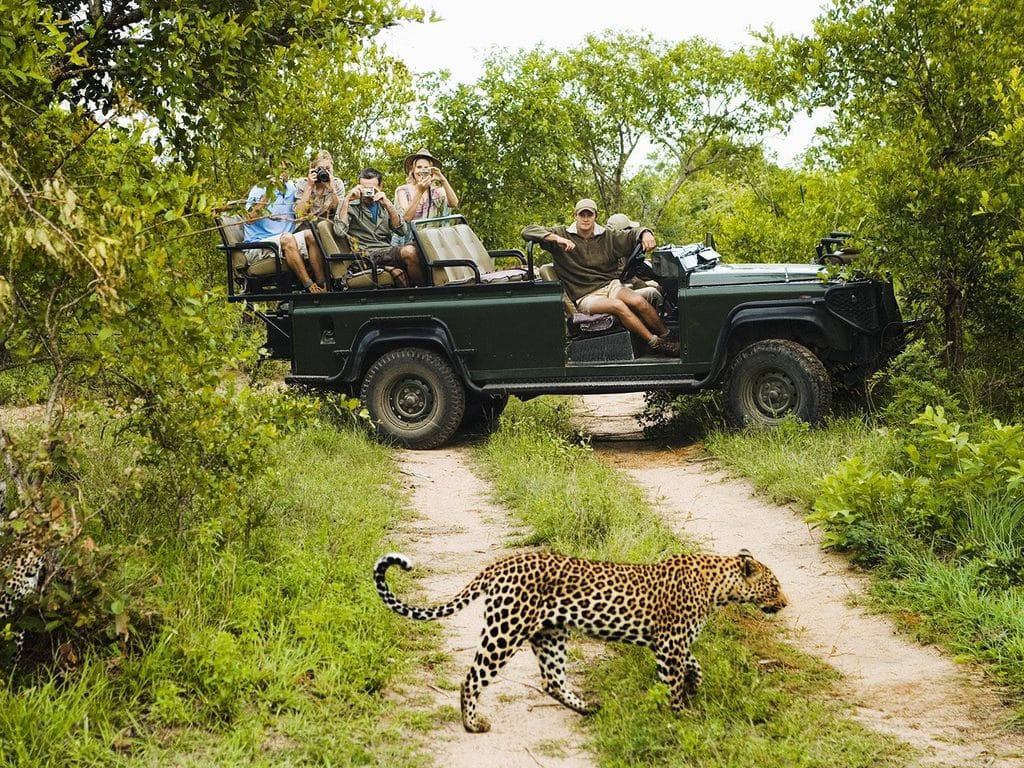
Leopard (Panthera pardus) crossing road with tourists in jeep in background
No conversation about South African safaris starts anywhere but Kruger. Roughly the size of Israel, it’s one of the few places on Earth where you can reliably spot lion, leopard, elephant, rhino, and buffalo — the legendary “Big Five” — often in a single day. What makes Kruger special for adventure travelers isn’t just the density of wildlife but the range of ways to experience it: self-drive through public rest camps for a budget-friendly, DIY safari, or splash out on a private concession bordering the park, where open-vehicle night drives and walking safaris led by armed rangers bring you close enough to hear an elephant breathe.
Sabi Sands and the Private Reserves
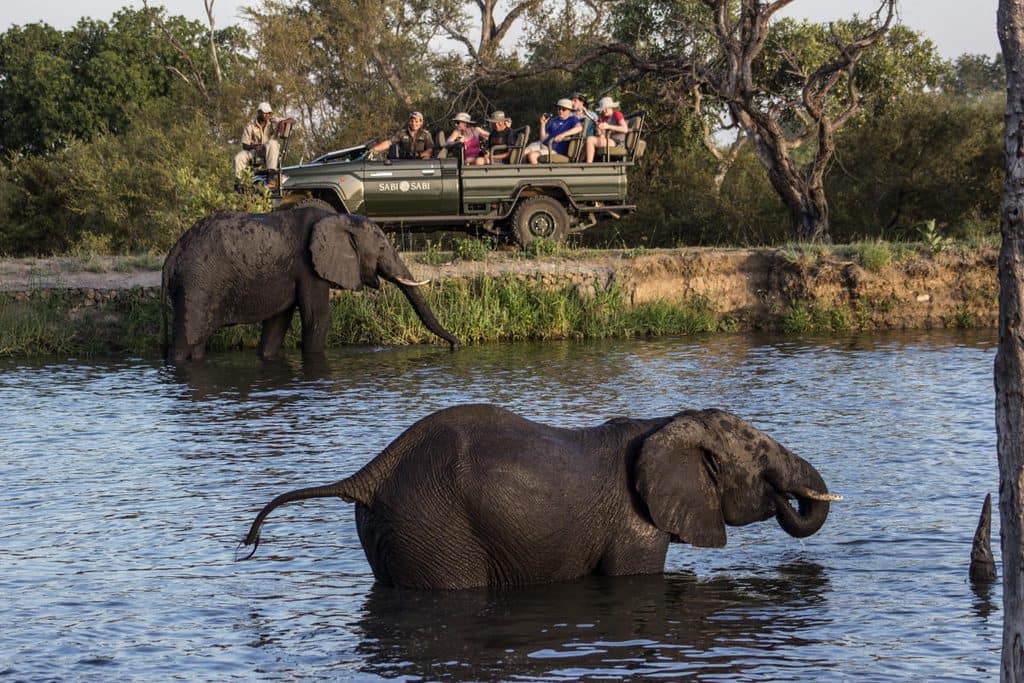
Bordering Kruger’s western flank, the Sabi Sands Game Reserve is where South Africa’s safari industry shows off. There’s no fence between it and Kruger, so animals move freely, but the traffic is far lighter and the guiding is world-class. This is the place for the safari purist — trackers who can read a paw print like a sentence, sundowners on the savanna, and leopard sightings so frequent the reserve is famous for them.
The Drakensberg: Africa’s Mountain Playground
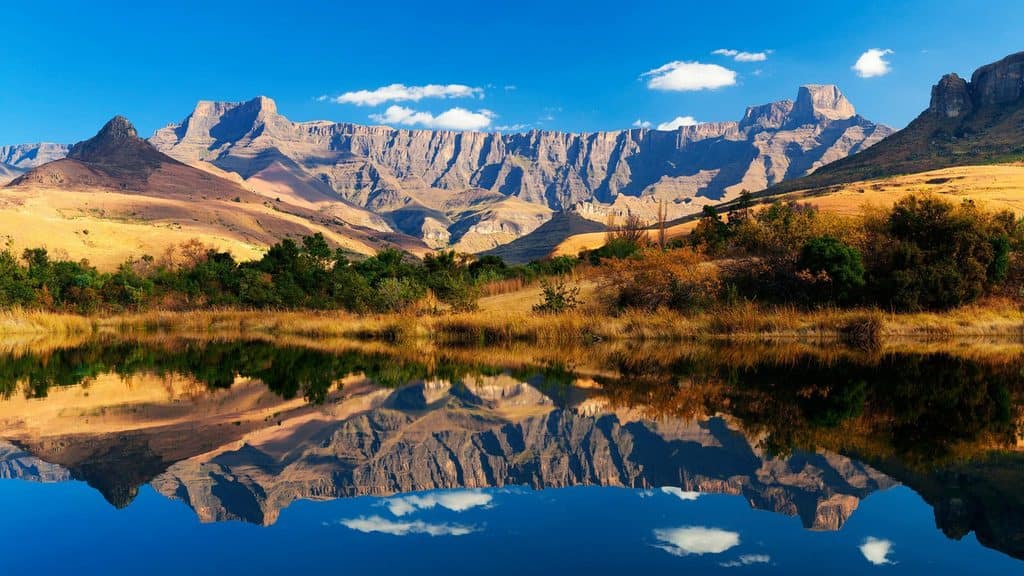
For those who want their adrenaline vertical, the Drakensberg range delivers. This UNESCO World Heritage jagged spine of basalt peaks along the Lesotho border is South Africa’s premier hiking and climbing destination — think multi-day treks past ancient San rock art, via ferrata routes, and the hair-raising switchbacks of Sani Pass, best tackled in a 4×4 with a guide who knows every hairpin.
The Garden Route and Beyond
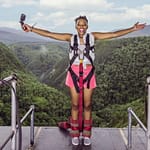
Stretching along the southern coast between Mossel Bay and Storms River, the Garden Route turns adventure travel into a road trip. Bungee jump off the Bloukrans Bridge — one of the highest commercial jumps on the planet — go cage diving with great white sharks in Gansbaai, or paddle a kayak into Tsitsikamma’s river gorges. Inland, the malaria-free reserves near Addo Elephant National Park offer safari without the health precautions required further north, making it a favorite for families.
Cape Town: Where City Meets Wild
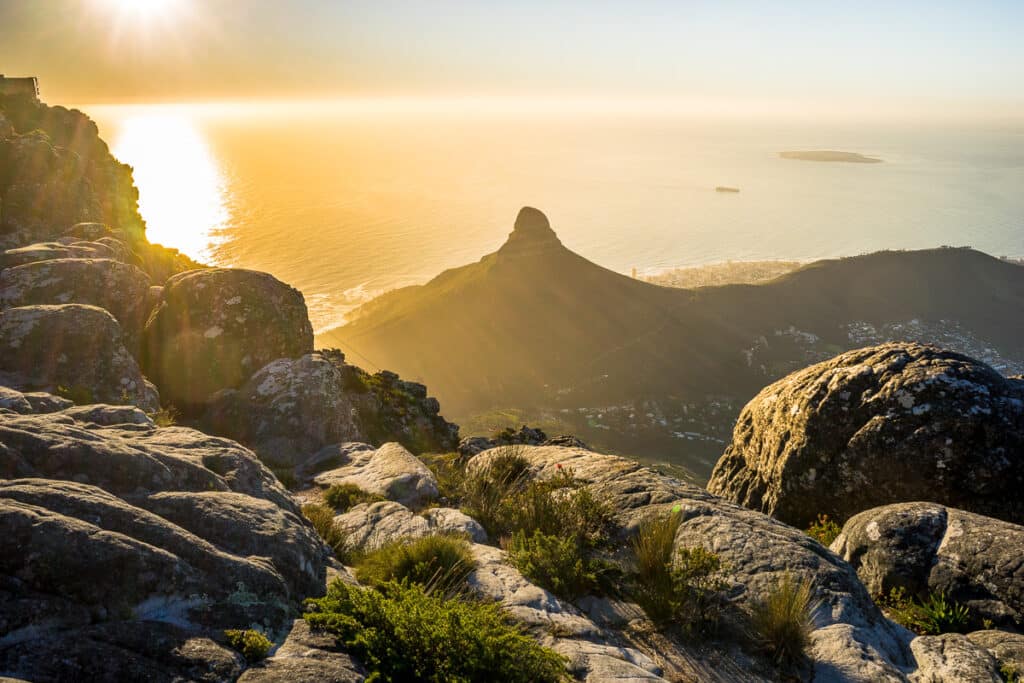
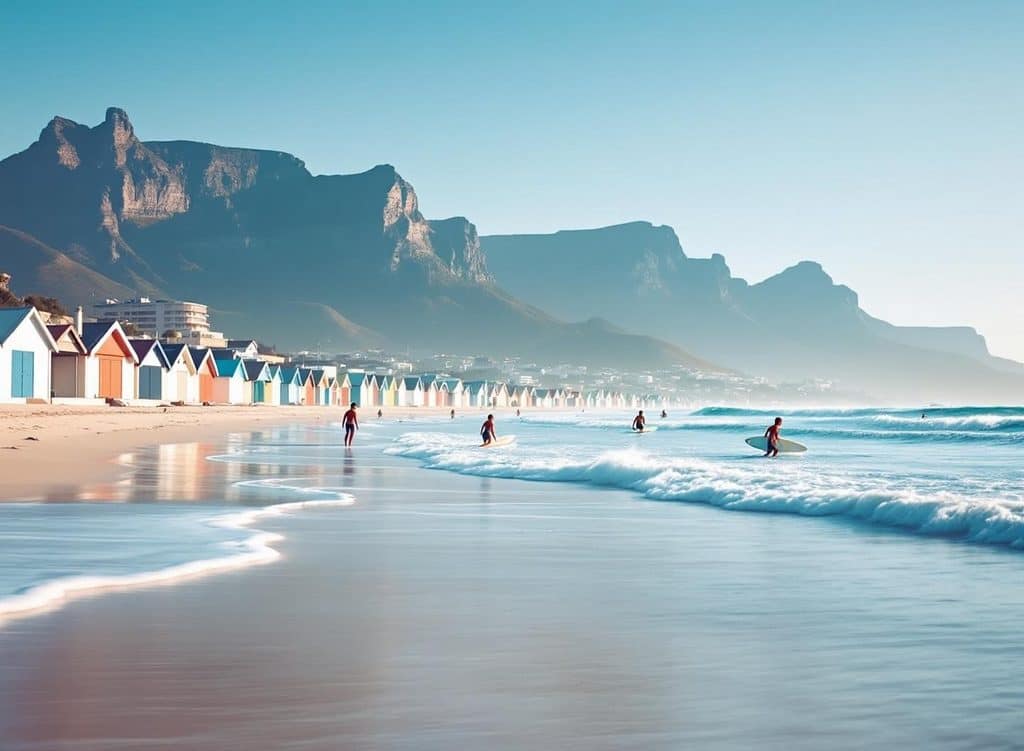
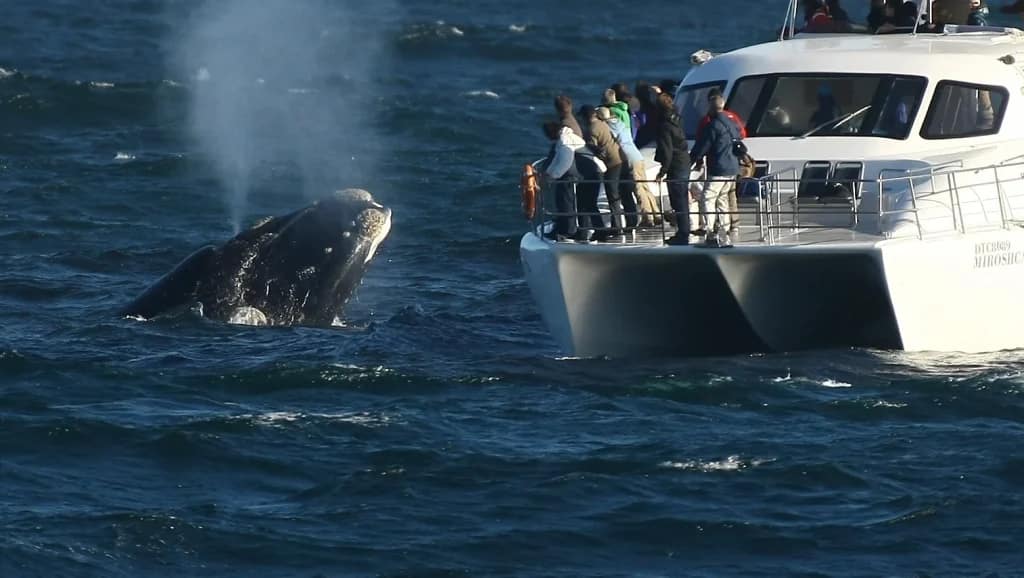
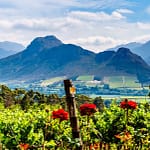
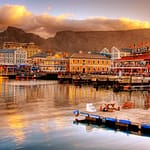
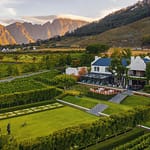
Cape Town rarely gets filed under “safari,” but it’s arguably South Africa’s adventure capital. Paraglide off Lion’s Head, surf the cold Atlantic swells at Muizenberg, or hike Table Mountain by one of a dozen routes ranging from a gentle stroll to a genuine scramble up Skeleton Gorge. Add in nearby whale watching in Hermanus (June to November) and wine country in Stellenbosch for a softer landing, and Cape Town works as both a bookend and an adventure hub in its own right.
Pilanesberg and Madikwe: Malaria-Free Alternatives
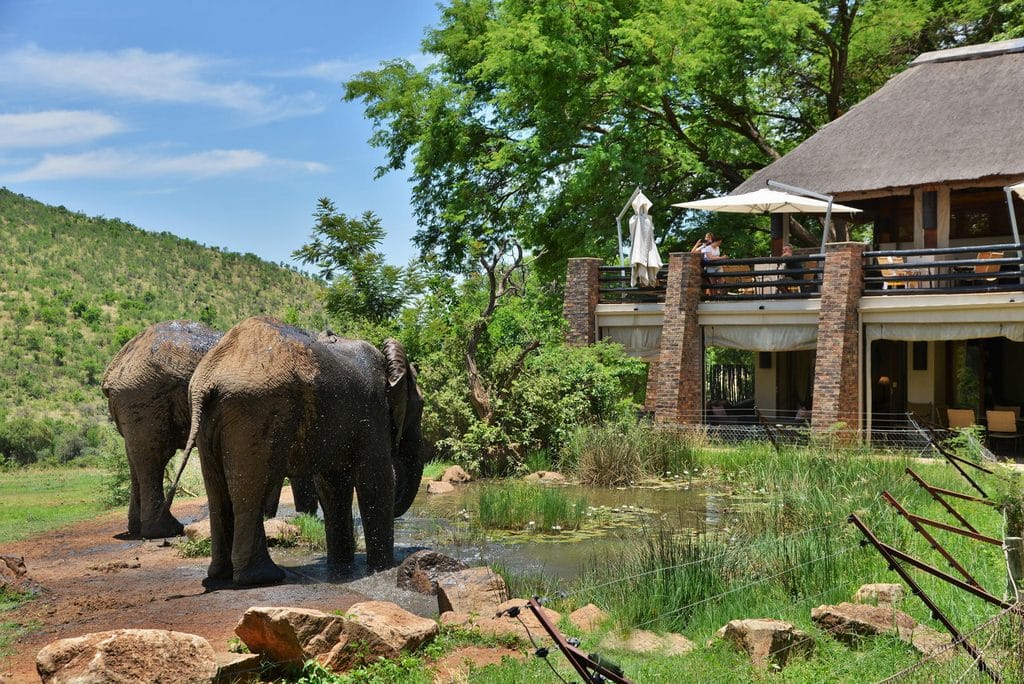
For travelers wary of malaria risk, Pilanesberg (a few hours from Johannesburg) and Madikwe near the Botswana border offer excellent Big Five viewing in malaria-free zones — a practical, often overlooked option for families with young children or anyone prioritizing an easier, lower-risk trip without sacrificing quality sightings.
A Final Thought: Opportunity in the Wild
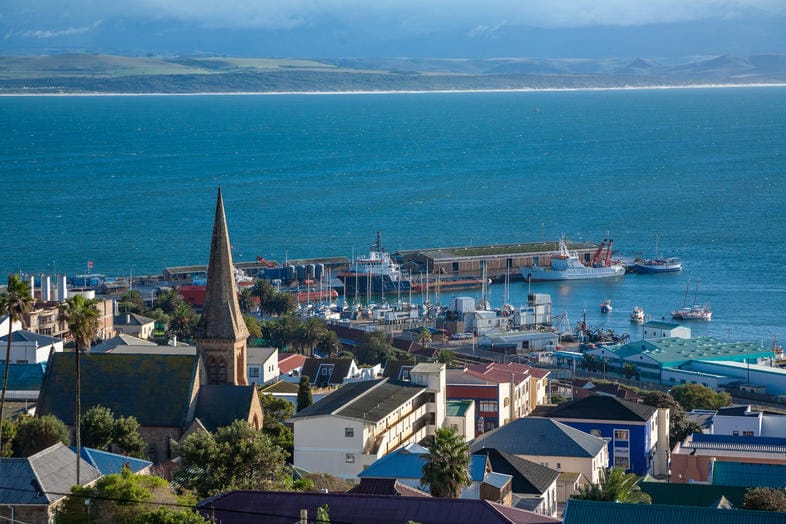
Whale Watching – Hermanus
Beyond the thrill and the postcard views, this industry is quietly becoming one of South Africa’s most important engines of youth employment. Safari lodges, adventure operators, and conservation reserves need guides, trackers, chefs, pilots, mechanics, hospitality staff, and conservationists — and increasingly, they’re training young South Africans from surrounding communities to fill those roles. Organizations tied to reserves like Sabi Sands and Madikwe run apprenticeship programs turning local youth into professional field guides and rangers, careers that barely existed as formal career paths a generation ago. As adventure tourism keeps growing, it’s not just changing how the world sees South Africa — it’s opening a genuine, homegrown pathway to skilled, well-paying work for the young people who call this extraordinary landscape home.