


Where the Vines Meet the Fynbos

South Africa’s Ecotourism Moment
eyesonsouthafrica
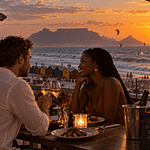
Picture a morning walk through fynbos with a conservation guide, then lunch at a farm that grows what it serves, and an evening on a vineyard terrace with a glass of wine from the slope you just hiked. A growing number of South African businesses sell exactly that, and the government is actively looking for partners to build more of it.
The Door Is Open
On October 1, South Africa’s Tourism Minister hosted the second Tourism Infrastructure Investment Summit in Johannesburg. It presented a pipeline of 15 investment opportunities worth about R3.5 billion, spanning eco-tourism, hospitality, cultural heritage and green innovation. The first summit a year earlier presented eight bankable projects worth nearly R1 billion, so the pipeline is growing.

The demand behind it is real. Tourism contributed over 12% of GDP, with nearly 9 million international visitors and 47 million domestic trips in 2024. A UN Tourism guide counts 28 tourism investment projects worth USD 347.8 million between 2014 and 2025. That is still modest for a country this scenic, which is why the field looks open.
Where Nature, Culture and Cuisine Meet
The Cape Winelands. This is the clearest example of how conservation and commerce can work together. The Biodiversity and Wine Initiative began in 2004, and by 2008 the conservation footprint in the winelands exceeded the vineyard footprint. Producers did this by forming conservancies and building ecotourism around them. The Green Mountain Eco Route is billed as the world’s first biodiversity wine route, with mountain biking and a luxury slackpack hike through fynbos with local food and wine. The Green Wine Route lists 34 WWF Conservation Champions, and the Paarl-Wellington sustainable tourism route pairs conservation-led retreats with working wine estates. Spier is a good example of the model: solar-powered facilities and an organic garden supplying its farm-to-table restaurant.
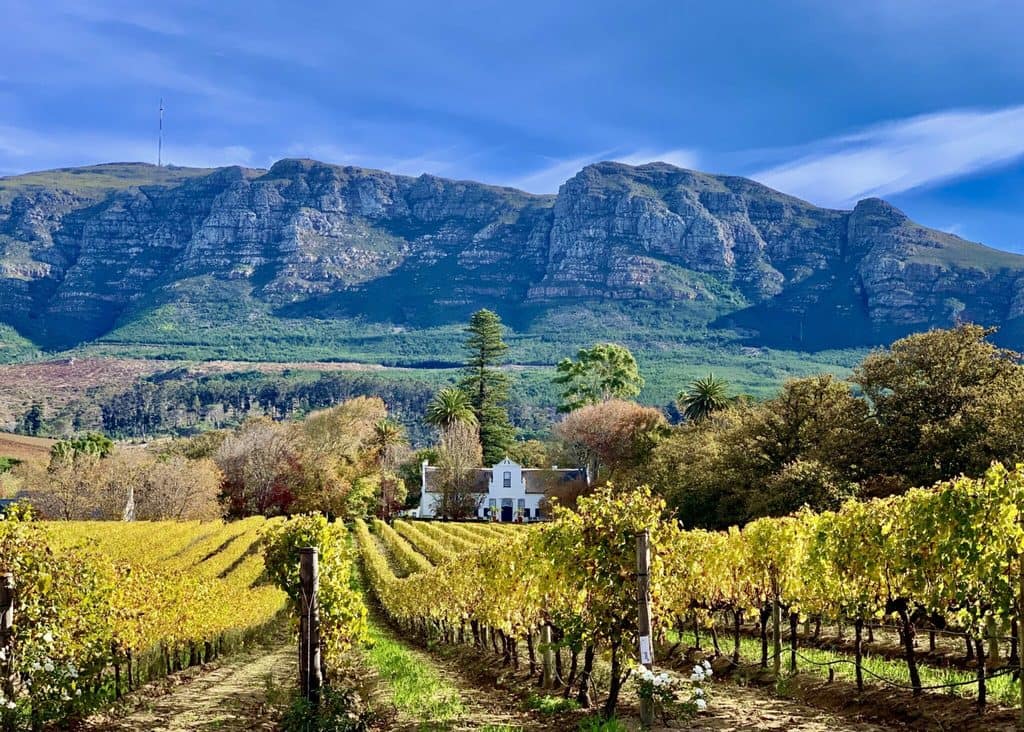
The gap is coordination. Many estates working on biodiversity do so in isolation. Someone who packages trails, stays, tastings and farm meals across neighboring estates into one booking has a product that is still scarce.
The Wild Coast. The Eastern Cape coast has drawn international attention as a destination where land restitution and co-management models let communities take part in conservation and eco-tourism. Bulungula Lodge is off-grid and community-owned. The opportunity here is partnership rather than purchase. The business case depends on who owns the land and who shares the revenue.
The Kalahari and San heritage. !Xaus Lodge in the Kgalagadi Transfrontier Park is co-owned by the Khomani San and Mier communities, who are shareholders in the operating company. A professional operator manages it, and guests get dune walks, stargazing and storytelling. That structure, community ownership with a professional manager, is a template investors can copy. In the Western Cape, !Khwa ttu combines luxury accommodation with education about San heritage.
KwaZulu-Natal. The province has flagged tourism opportunities worth at least R9.4 billion, with over 3,000 permanent jobs. It is seeking private partners to develop, operate and manage government assets in a World Heritage Site. The figures come from an earlier provincial presentation, so check current status before relying on them.
The Garden Route, Karoo and Route 62. Whale-watching and Tsitsikamma coastline sit alongside Karoo cooking such as lamb shank and ostrich fillet in a historic building. Tour operators market Route 62 as possibly the world’s longest wine route. For a food-led entrepreneur, an inland stop between the coast and the vineyards is a natural place to build a business.
Foreigners Who Made the Bet
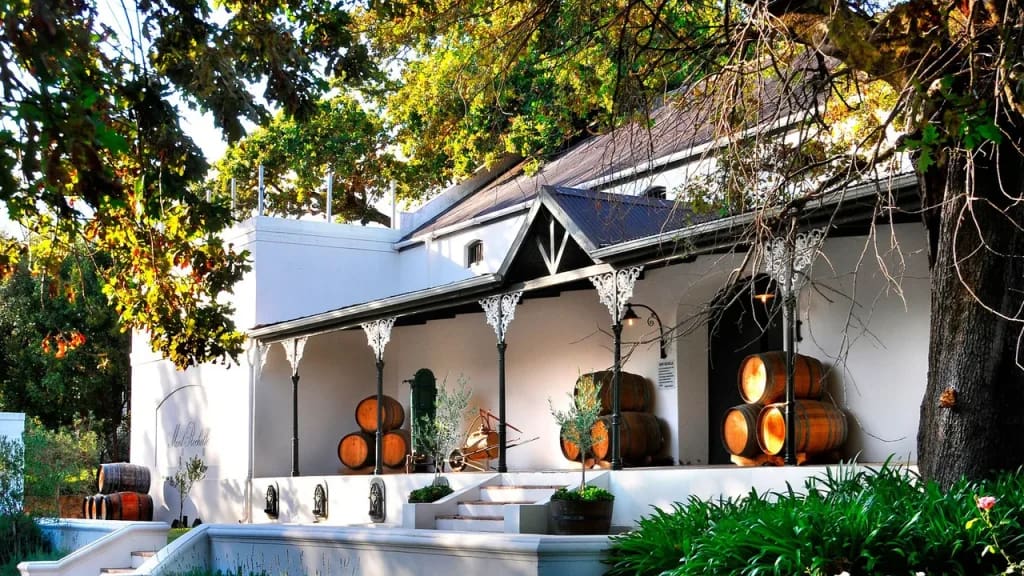
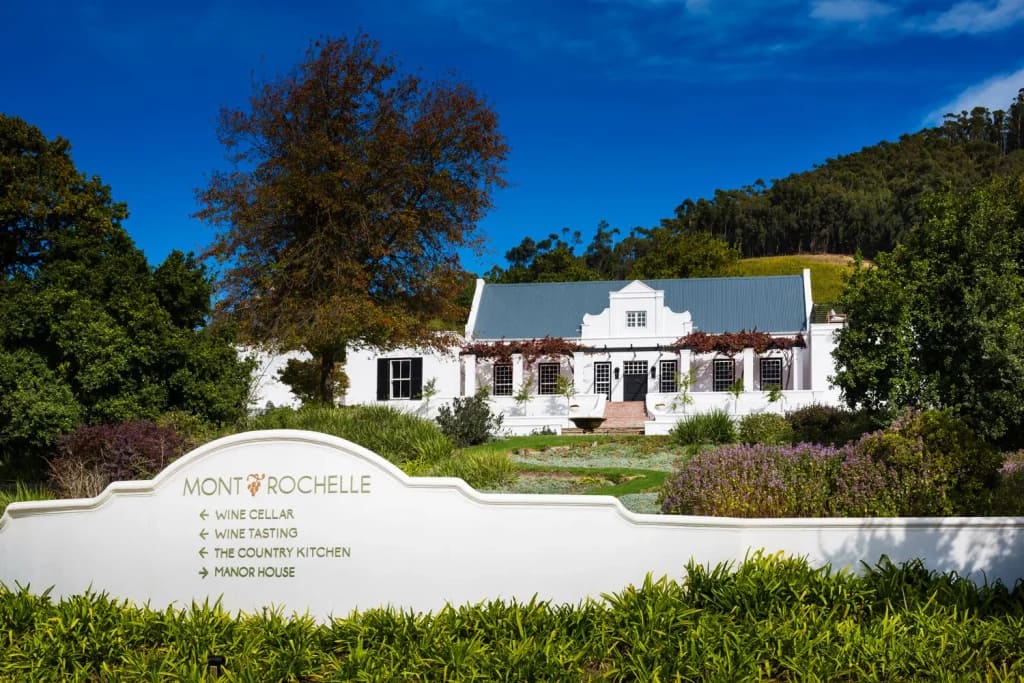
The celebrity estate. Richard Branson bought Mont Rochelle in Franschhoek in 2014. The same article says Analjit Singh, the Indian businessman, bought half of Mullineux Wines in 2013 and the Roundstone farm in 2015. He also assembled three adjoining Franschhoek farms into what is now Leeu Estates.
The founders who fell in love. Some foreign owners are in it for the place itself. May-Eliane de Lencquesaing bought the Glenelly farm in Stellenbosch shortly before turning 80 and turned a run-down fruit farm into a wine estate. At Allée Bleue in Franschhoek, the owners replanted vineyards and invested in making it a destination for food, wine and farm produce.
The institutions. Chamonix in Franschhoek went to a Norwegian investor, and France’s Les Grands Chais de France acquired Neethlingshof in 2022. Property agents say foreign buyers account for roughly 32% of luxury property sales in Franschhoek. That includes wine estates and hospitality venues. They pay cash in about 90% of deals.
The glamping pioneers. The U.S. founders of Under Canvas opened Few & Far Luvhondo in Limpopo, a carbon-neutral safari lodge on degraded land, with the goal of restoring wildlife corridors. Dining there ranges from traditional braais to European-inspired tasting menus.
The lifestyle entrepreneurs. A couple who left their entrepreneurial lives in Germany about 22 years ago built Antbear Lodge in the Drakensberg. It has 15 suites, local building materials and a community development program.
What the Opportunity Looks Like
Taken together, these cases point to a few business models:
- Connecting existing assets. Join estates, trails, stays and kitchens into multi-day products.
- Community partnerships. Follow the !Xaus model, with community equity and professional management.
- Restoration-led lodges. Build on degraded land and make the recovery part of the story, as Few & Far did.
- Food as the anchor. Farm-to-table cooking ties the landscape to the plate, whether in the vineyards or the Karoo.
- Public pipelines. The SATIS projects and provincial asset partnerships offer structured entry points.
Two cautions apply. Foreign money is widespread but rarely total: Wines of South Africa has noted that most foreigners are investors or shareholders, so estates are not 100% foreign-owned. Partnership with local people is part of the business model. On the Wild Coast especially, community land rights and benefit-sharing decide whether a project can work.
This article is an overview, not financial advice. Anyone considering an investment should do their own due diligence and get local legal and financial counsel.