


Chasing Winter Light Through South Africa’s Cape

eyesonsouthafrica
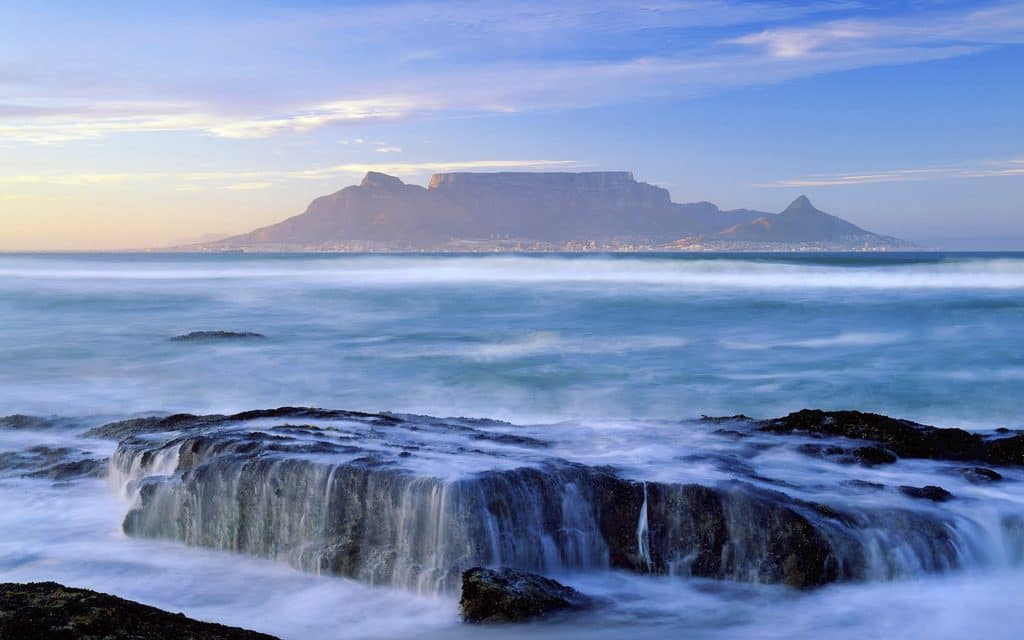
I arrived in Cape Town in the middle of July with a suitcase full of the wrong clothes. Everyone at home had laughed when I said I was going to Africa for the winter, picturing sun-bleached savannah and cloudless skies, and I had half believed them. What I found instead was a peninsula wrapped in cloud, rain drumming on corrugated roofs, and a light so clean and low that it seemed to pour sideways across the land. The Western Cape in winter is not the postcard version of South Africa. It is greener, quieter, moodier, and, I came to think, far more honest. Over three weeks I drove east into the winelands and north along the Atlantic, chasing that light through vineyards, over mountain passes, and down to a coast where the wind never really stops. What follows is less a guide than a record of what I saw when the country had few other visitors to perform for.
Golden Hour Over the Cape Dutch Farmsteads
The first thing you notice about a Cape Dutch farmhouse is the gable. It rises from the centre of a long, whitewashed façade like a wave frozen mid-break, curling into scrolls and shells and sometimes a date picked out in plaster: 1780, 1796, 1812. Under the thatch, the walls are thick enough to keep out summer heat and winter cold alike, and the windows are framed in dark teak that the Dutch East India Company once shipped in from Batavia. I saw my first one at Boschendal, between Stellenbosch and Franschhoek, at about half past four on a grey afternoon when the cloud suddenly tore open and the sun came through low and gold. The white walls turned the colour of butter. The oaks along the drive threw long shadows across wet gravel. I stood in the car park like an idiot, forgetting to take a photograph, because the whole scene seemed too composed to be real.
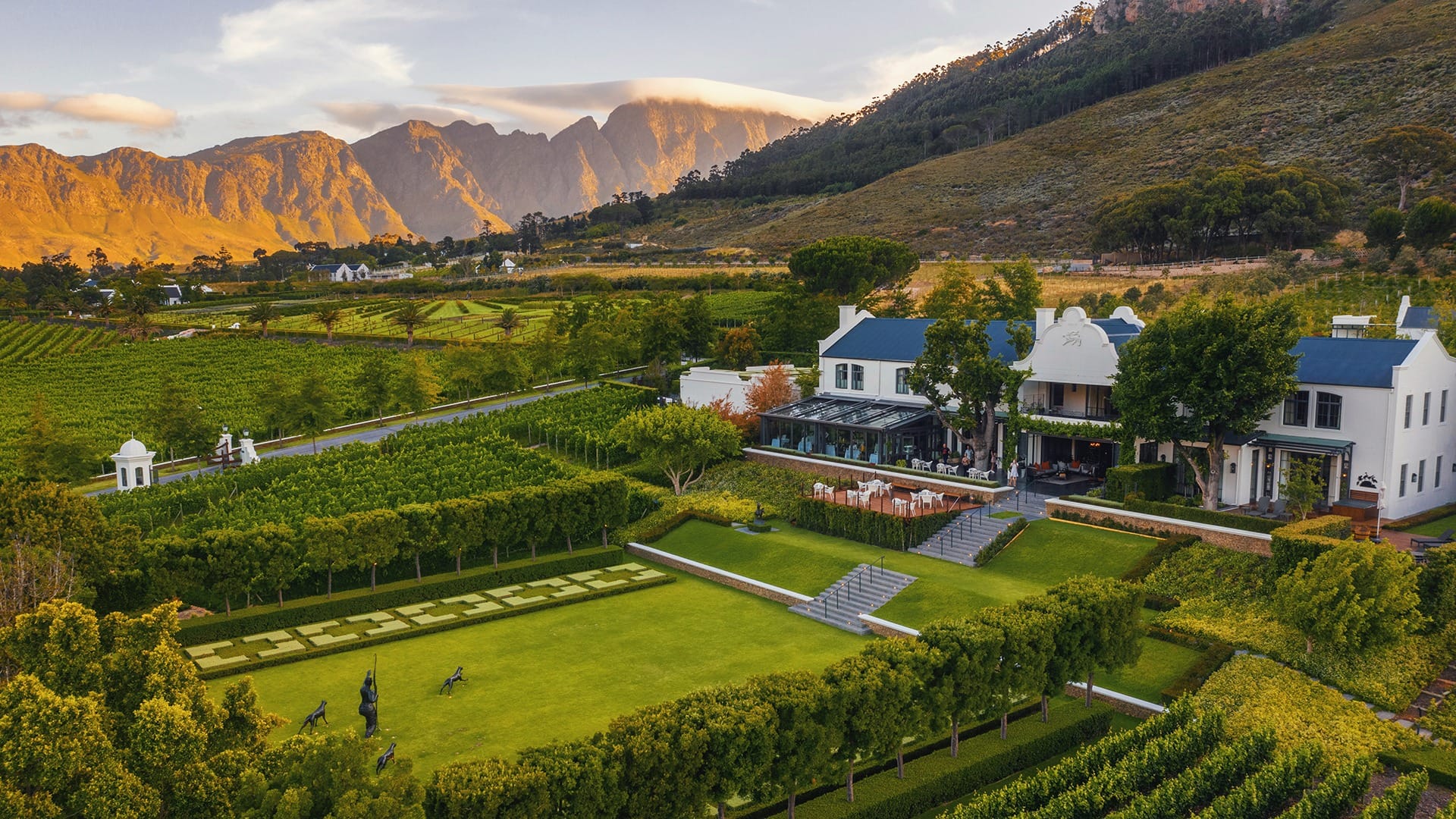
Winter is the season these estates were built for, or at least the season in which they make the most sense. The vines are bare and pruned back to black stumps, so the eye travels past them to the mountains, which in July are often dusted with snow along the ridgelines above Franschhoek and the Hex River. Inside, the estates light fires. I spent a long lunch at a farm outside Stellenbosch where the tasting room had a hearth you could have parked a small car in, and the owner, a man whose family had farmed the land for six generations, talked about the yellowwood beams above us being older than the United States. He said it without boasting, in the way people mention the weather. Outside, rain came and went. Nobody was in a hurry. In summer, he told me, the place would be heaving with tour buses; in winter I had the room almost to myself and paid roughly half what I would have in December.
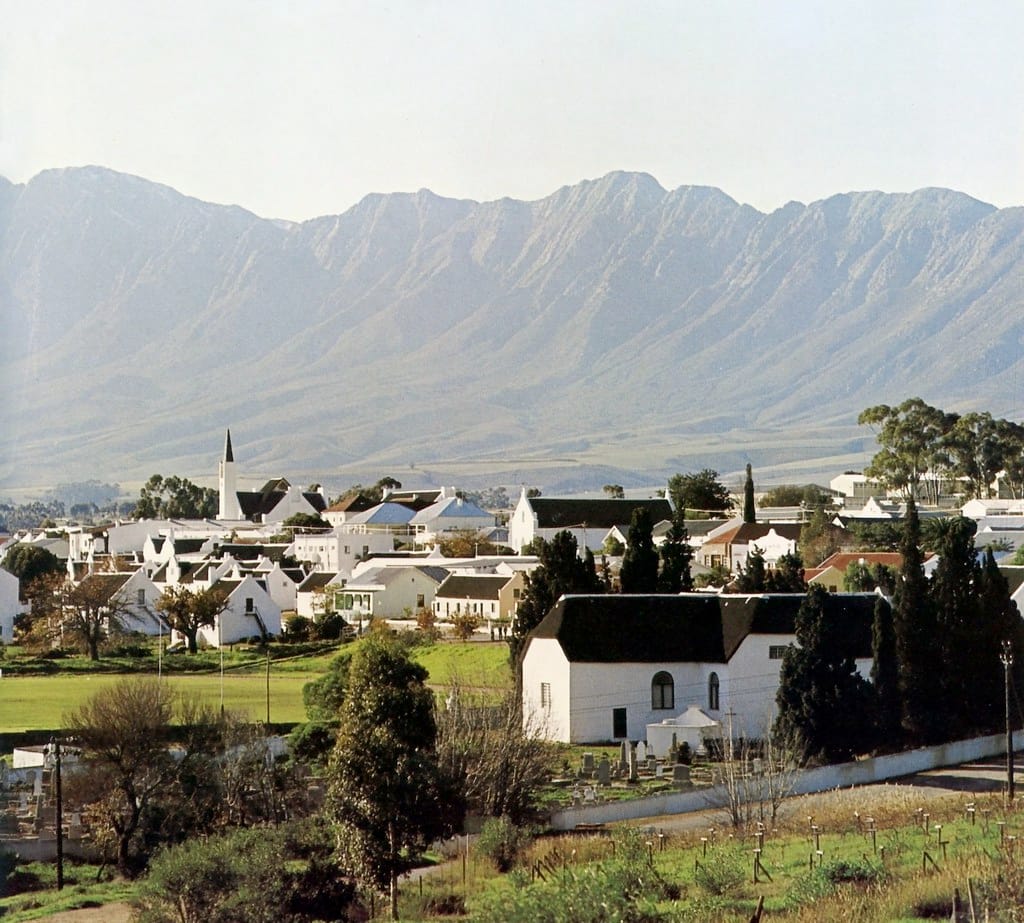
I kept driving. Tulbagh, north of the Paarl mountains, has a single street of restored Cape Dutch houses rebuilt after an earthquake in 1969, and I walked it at dusk with nobody else about except a woman shutting up a bakery. Swellendam, further east, has the Drostdy, a magistrate’s residence from 1747 that now houses a museum, and gardens where the aloes were in flame-orange flower against the white walls. What struck me, though, was not the prettiness but the layered history sitting quietly underneath it. These farms were built by Dutch and Huguenot settlers on land that Khoikhoi herders had grazed for a thousand years, and the labour that raised the gables and planted the oaks was, for two centuries, enslaved. The tourist literature tends to skate over this. The buildings themselves do not. Walk around the back of almost any old wine estate and you will find the slave bell, the plain rooms of the werf, the graveyard with unmarked stones. The golden light falls on all of it equally, and I found that the more I learned, the more beautiful and the more complicated these places became.
Tracing African Roots Along a Wind-Swept Coast
From the winelands I turned north and west, towards the Atlantic, and the landscape changed within an hour. The oaks gave way to fynbos, that low scrub of proteas and ericas and restios that grows nowhere else on earth, and in winter it is in full bloom, pink and cream and rust across the hillsides. The wind picked up as I neared the sea. It does not gust here so much as lean on you, steadily, from the south-west, and it smells of kelp and cold water. The Benguela Current comes up from the Antarctic along this coast, which is why the sea is so rich in fish and why nobody in their right mind swims in it. I stopped at !Khwa ttu, a San cultural centre an hour north of Cape Town, where a guide named Andries walked me through the veld and showed me how his ancestors read this land: which bulbs to dig, which tortoise tracks meant rain, how a hunter could tell from a single broken stalk that an eland had passed at dawn. His people, he said, had lived along this coast for longer than anyone had lived anywhere.
The West Coast Fossil Park near Langebaan makes that point on a grander timescale. Five million years ago, this was a river mouth where sabre-toothed cats and short-necked giraffes and bears, of all things, came to drink, and their bones lie in the phosphate beds in such density that palaeontologists are still cataloguing them. Standing on the viewing platform above the dig, with the wind whistling through the roof, I thought about how new the Cape Dutch gables were by comparison, how new all of us were. Further north, in Paternoster, the fishermen’s cottages are whitewashed and low against the wind, and the older families in the village trace their lineage to Khoikhoi communities who fished these same rocks before the first Dutch ship dropped anchor. The cottages have become guesthouses now, and the harbour restaurant serves crayfish that cost a fraction of what it would in Europe. I ate mine on a wooden deck with a blanket over my knees, watching the sun drop into the Atlantic at half past five, and the sky went through more colours than I have names for.
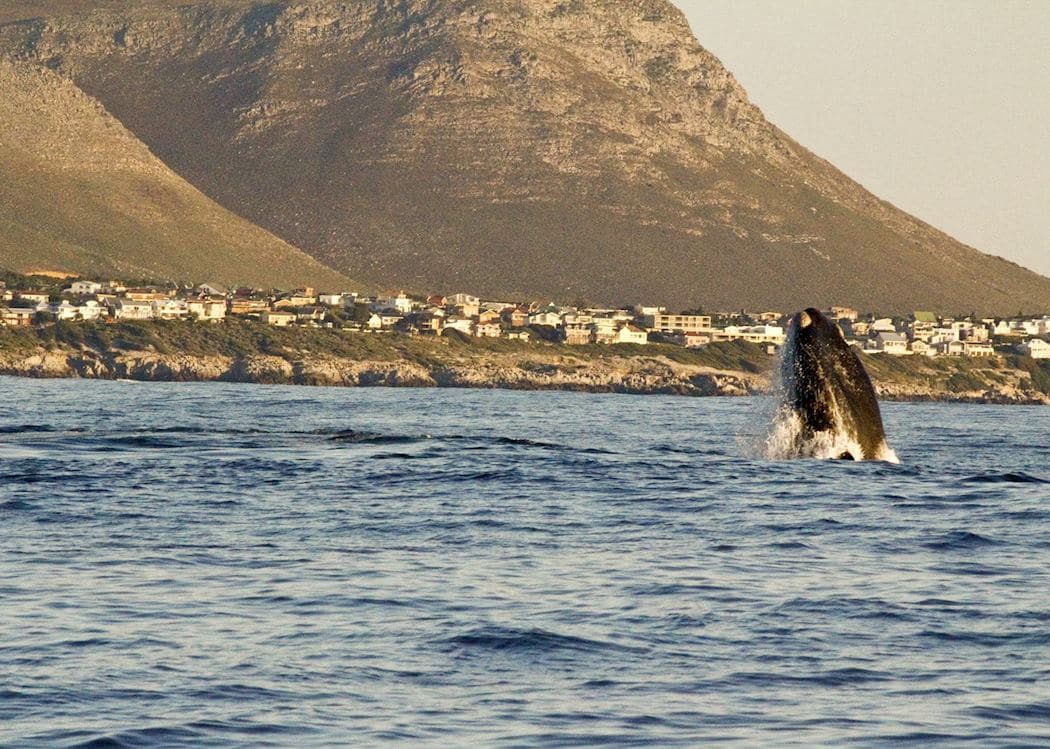
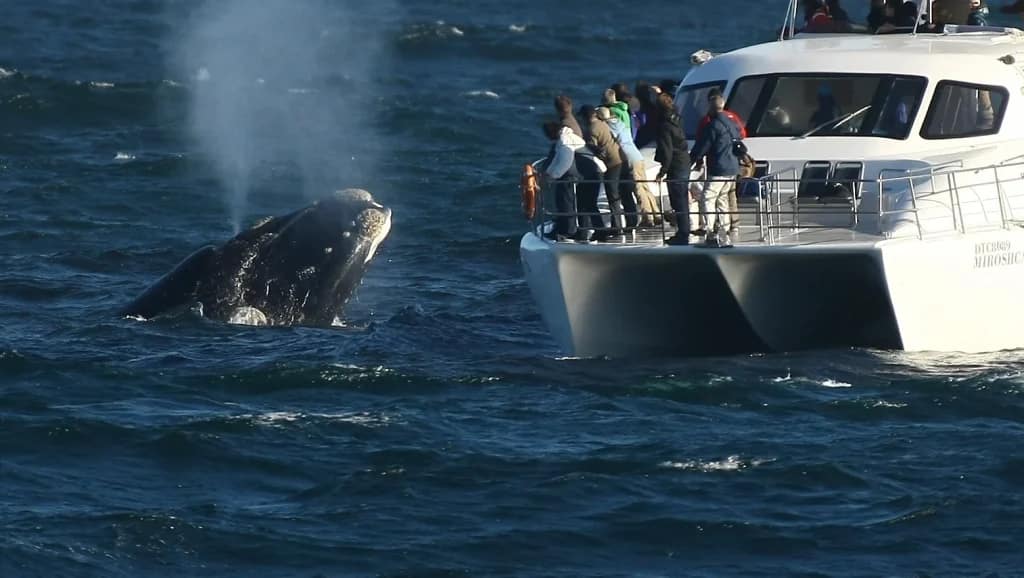
The southern coast, where I finished, offered a different kind of connection. In winter the southern right whales come up from the Antarctic to calve in the sheltered bays around Hermanus and De Hoop, and from June onwards you can stand on the cliffs and watch them roll and breach a few hundred metres offshore. No boat required. I sat on a bench above Walker Bay for two hours with a flask of coffee and counted eleven. Inland from the whale coast is Genadendal, the oldest mission station in South Africa, founded in 1738 by Moravian missionaries among the Khoikhoi. Its church and thatched cottages are Cape Dutch in form but the community that built and kept them is Khoikhoi in descent, and the village has a printing press, a school, and a museum run by people whose great-great-grandparents are buried in the churchyard. Nearby, Elim is another mission village where the entire settlement is a national monument and the cottages are still lived in, not preserved behind glass. A woman selling dried flowers at her gate told me the wind had blown for three days straight and would blow for three more. She said it as a fact, not a complaint. This coast, I understood, belongs to people who have learned to lean into it.
I flew home in early August with a tan on one side of my face from driving into the afternoon sun, and a different picture of South Africa than the one I had arrived with. Winter in the Cape is not a compromise or an off-season bargain, though it is certainly cheaper and emptier than summer. It is a season with its own logic: green hills, snow on the peaks, fires in old farmhouses, whales in the bays, and a light that arrives late in the day and lingers, turning white walls to gold and making even the humblest fisherman’s cottage look like something a painter arranged. What I took from those three weeks, more than the photographs, was a sense of how many stories sit on top of each other in this small corner of a vast continent — San and Khoikhoi, Dutch and Huguenot, enslaved and free, missionary and fisherman — and how the landscape holds them all without preference. If you go, go in winter. Pack a raincoat and a jumper. And when the cloud breaks at half past four and the light comes pouring sideways across the land, put the camera down for a moment and simply look.